

 Book from the website and get a


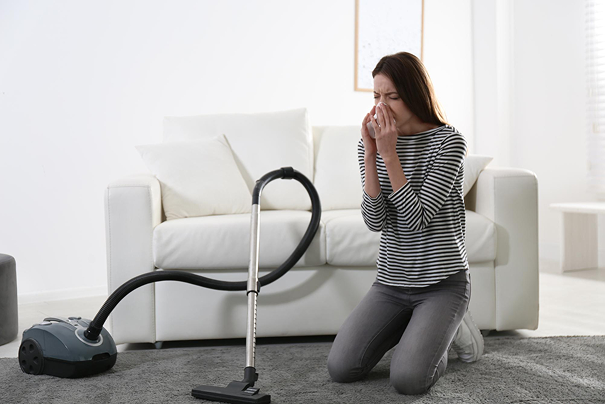
If your family deals with sneezing, itchy eyes, blocked noses, or poor sleep, the fix starts with a structured cleaning plan. An allergy proof home is not about cleaning more. It is about removing dust reservoirs, moisture build-up, fabric traps, and air irritants in the right order. That is how sensitive families reduce exposure and keep flare-ups under control.
Why Are Allergies Rising Inside Modern Homes?
Indoor allergies rise when dust, pet dander, mould particles, fabric fibres, and poor ventilation stay trapped for days. In busy households, the biggest problem is not visible dirt. It is what settles into bedding, curtains, upholstery, corners, and air vents.
A good cleaning plan cuts exposure at the source. That is what turns a regular home into an allergy proof home.
What Triggers Allergies Indoors and Which Hidden Spots Get Missed?
Most homes focus on floors and tables. Allergens collect elsewhere.
- Mattresses and pillows
- Curtains and fabric sofas
- AC filters and fan blades
- Rugs and soft floor mats
- Wardrobe tops and bed frames
- Window tracks and damp bathroom corners
- Shoe racks and entryway floors
These hidden spots release particles every time someone sits, walks, sleeps, or switches on a fan. That is why symptom-heavy homes often still look neat.
How Do You Build An Allergy Proof Bedroom That Supports Better Sleep?
The bedroom needs the strictest control because exposure lasts for hours.
To create an allergy proof bedroom, start with bedding, airflow, and dust control. Wash pillow covers and bedsheets in warm water each week. Vacuum the mattress surface. Clean under the bed. Keep stuffed fabrics to a minimum. Dry out any damp patches fast.
Use this quick comparison to see where most families lose control.
| Bedroom Item | Common Problem | Better Choice |
| Heavy curtains | trap dust and fibres | washable light curtains |
| Open shelves | collect fine dust | closed storage |
| Old pillows | hold dust mites and sweat | replace on schedule |
| Thick rugs | trap particles near bed | keep floor clear |
| Damp corners | support mould growth | dry and disinfect early |
This table shows one pattern clearly. Soft surfaces collect more allergens than hard surfaces. So the goal is not an empty bedroom. The goal is a controlled one.
What are the Best Dusting Tips for Allergies?
Dry dusting pushes particles back into the air. That makes symptoms worse.
Use these dusting tips for allergies:
- Use a damp microfibre cloth, not a dry duster
- Clean from top surfaces to lower ones
- Vacuum after dusting, not before
- Empty bins and wash cloths after use
- Wear a mask if symptoms start during cleaning
Shoes also add to indoor contamination. Another Times of India report from 2025 stated that shoes can carry more than 400,000 bacteria units on average per shoe, which makes entry floors and nearby rooms a frequent transfer point.
These dusting tips for allergies work because they remove particles instead of shifting them around the room.
What Cleaning Plan Works Best Room By Room?
Sensitive families need a repeatable routine.
Weekly
- Wash bed linen and pillow covers
- Dust fans, switches, and side tables
- Mop hard floors and clean bathroom corners
- Vacuum sofa seams and mattress surfaces
Monthly
- Deep clean curtains and upholstery
- Clean AC filters and exhaust vents
- Pull out furniture and clean behind it
- Check wardrobes, window tracks, and shoe racks
How Can You Improve Indoor Air Quality Without Overcomplicating It?
Start with airflow and moisture control. Open windows when outdoor conditions allow. Dry bathrooms and utility zones fast. Clean filters on schedule. Avoid overcrowding rooms with dust-holding décor. If you work from shared spaces, office deep cleaning services also help reduce carryover dust and allergens that enter the home through clothes, shoes, and bags.
When Should You Choose A Deep Cleaning Service In Bangalore?
Choose professional help when allergies keep returning, dust builds up within days, or soft furnishings hold odour and residue. A proper deep cleaning service in Bangalore should cover mattresses, upholstery, corners, vents, and high-touch surfaces, not just visible floors.
At Aquuamarine, we create personalised deep-cleaning plans that target the zones where allergens build up first. Book with us today and let us help you build a home that feels cleaner, sleeps better, and stays easier to manage.